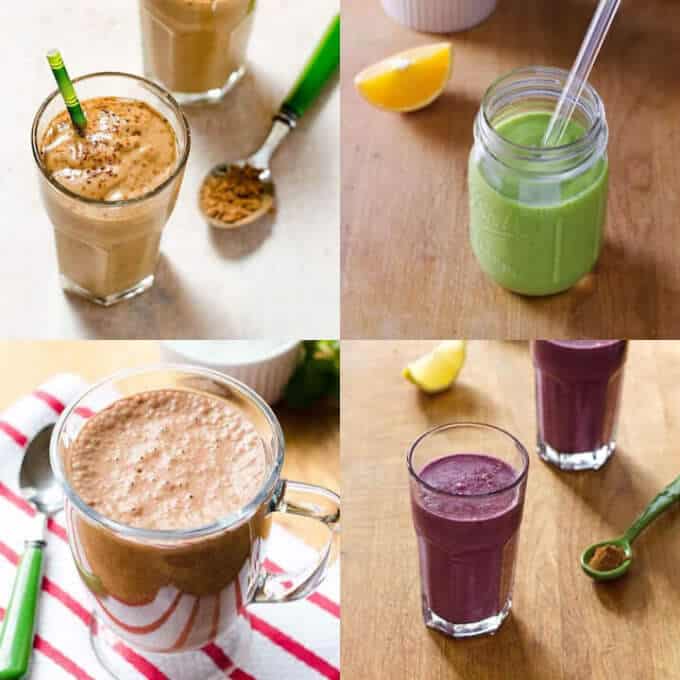
Unlocking the Power of Homemade Healthy Smoothies
In our fast-paced world, finding quick, nutritious meals can often feel like a challenge. That's where homemade smoothies shine as a true game-changer. Imagine a vibrant, nutrient-packed concoction that's ready in minutes, perfectly tailored to your tastes and dietary needs. Learning how to make a smoothie at home isn't just about convenience; it's about reclaiming control over what fuels your body.
While store-bought smoothies might seem like a healthy grab-and-go option, they often come loaded with hidden sugars, artificial flavors, and questionable additives. Many rely on dairy products like milk, yogurt, or whey for texture, posing a problem for those avoiding dairy. The beauty of a homemade smoothie lies in its transparency. You dictate every ingredient, ensuring a truly healthy, delicious, and satisfying experience. Whether you need a quick breakfast, a post-workout recovery drink, or a nourishing snack, mastering how to make a smoothie opens up a world of possibilities.
Why Homemade Smoothies Reign Supreme
The allure of a homemade smoothie extends far beyond mere convenience. It offers a level of customization and nutritional integrity that pre-packaged options simply cannot match. Here’s why making your own stands out:
- Complete Ingredient Control: This is arguably the biggest advantage. You choose every fruit, vegetable, liquid, and superfood. This means no hidden sugars, no artificial flavors, and no unnecessary preservatives. For those managing allergies or specific dietary requirements, knowing exactly what's in your blend provides invaluable peace of mind.
- Tailored Nutrition: Want more protein? Add a scoop of collagen or plant-based powder. Need an extra boost of fiber? Toss in some chia seeds or flax. Homemade smoothies allow you to craft a nutritional profile that perfectly aligns with your personal health goals, whether it's for weight management, increased energy, or post-gym recovery.
- Cost-Effectiveness: While the initial investment in a good blender and some staple ingredients might seem significant, making smoothies at home is often far more economical in the long run than purchasing them daily from cafes or grocery stores.
- Freshness & Quality: You get to use the freshest ingredients available, often seasonal fruits and vegetables, which translates to superior flavor and maximum nutrient retention. Smoothies are also an excellent way to use up produce that might otherwise go to waste.
Ultimately, learning how to make a smoothie at home empowers you to create a personalized nutritional powerhouse that fits seamlessly into your healthy lifestyle.
The Art of the Creamy Smoothie: Texture Hacks & Dairy-Free Options
One of the most common desires when learning how to make a smoothie is achieving that coveted silky, creamy texture. Nobody wants a watery, insipid blend! The good news is you don't need dairy products like Greek yogurt or whey to reach peak creaminess. There are fantastic dairy-free hacks that deliver a luxurious mouthfeel.
Dairy-Free Creaminess Unleashed:
- Frozen Bananas: This is arguably the ultimate smoothie secret. Peel extra-ripe bananas (they're sweeter!) and freeze them in chunks. When blended, they create an incredibly thick, naturally sweet, and unbelievably creamy base. They're a staple for a reason!
- Avocado: Don't let the idea of avocado in a sweet drink deter you. A quarter to half an avocado adds healthy monounsaturated fats, a rich, velvety texture, and a subtle earthiness that blends beautifully without overpowering other flavors.
- Other Frozen Fruits: Beyond bananas, other frozen fruits like mango chunks, pineapple, and berries contribute to a thicker, colder smoothie. Freezing fruit before blending eliminates the need for excessive ice, which can dilute flavor and create a less creamy consistency.
- Nut Butters: A spoonful of almond, peanut, or cashew butter not only adds healthy fats and protein but also contributes to a smoother, richer texture.
- Chia Seeds or Flax Seeds: When left to sit in liquid, these seeds absorb moisture and swell, creating a gel-like consistency that thickens your smoothie naturally. Add them early in the blending process to allow them to work their magic.
For an even deeper dive into achieving that perfect consistency without dairy, explore our detailed guide: Dairy-Free Smoothies: Achieve Creamy Texture with Healthy Hacks. These techniques will transform your smoothie from good to truly exceptional.
Essential Ingredients for Your Healthy Smoothie Bar
To consistently whip up healthy, delicious smoothies, stocking your pantry and freezer with key staples is crucial. Thinking of your kitchen as a "smoothie bar" makes the process effortless. Here's what you'll need when learning how to make a smoothie effectively:
The Foundational Four:
- Liquids: These are the base for your blend.
- Water: Simple, pure, and calorie-free.
- Coconut Milk: Opt for full-fat varieties with no added gums or sweeteners. The ingredient list should ideally just be "coconut" and "water."
- Nut Milks: Almond, cashew, or oat milk are great choices. Again, scrutinize labels for unsweetened versions with minimal additives.
- Bone Broth Concentrate: For a unique, savory twist and a collagen boost, blend a concentrate with water.
- Fruits & Veggies: The stars of the show for flavor and nutrients.
- Fresh Fruits: Use whatever's in season! Whole fruits are always preferred over fruit juice, which can be high in sugar and lack fiber.
- Frozen Fruits: Staples like strawberries, blueberries, mango chunks, and pineapple provide coldness and contribute to a thick texture. Peel and freeze overripe bananas for the ultimate creamy thickener.
- Leafy Greens: Spinach is a favorite because its mild flavor is easily masked. Kale is another excellent, nutrient-dense option. Use fresh or frozen; blending greens with liquid first ensures a super smooth consistency.
- Protein Boosters: Essential for satiety and muscle repair.
- Collagen Peptides: Flavorless and easily dissolved, collagen supports skin, hair, and joint health.
- High-Quality Protein Powder: Choose a whey, pea, or other plant-based protein powder that aligns with your dietary needs, preferably with minimal added sugars or artificial ingredients.
- Healthy Fats & Fiber: For sustained energy and digestive health.
- Chia Seeds & Flax Seeds: Rich in omega-3s and fiber, they also help thicken your smoothie.
- Nut Butters: Almond, peanut, cashew, or even sunflower seed butter add healthy fats, protein, and a creamy texture.
- Avocado: As mentioned, a fantastic source of healthy fats and an incredible creamy texture enhancer.
Flavor Enhancers & Superfoods:
- Natural Sweeteners: A drizzle of local raw honey or maple syrup can balance flavors if your fruit isn't sweet enough. Use sparingly.
- Spices: Cinnamon, nutmeg, or pumpkin pie spice add warmth and complexity.
- Fresh Herbs: Mint, cilantro, or parsley can add a refreshing zing or detoxifying element.
- Superfoods: Consider adding maca powder for energy, spirulina for a nutrient boost, or cacao powder for a chocolatey antioxidant kick. Many high-quality blends combine several superfoods for simplicity.
For a deeper dive into the specific nutritional benefits and optimal use of these ingredients, check out our companion article: Unlock Smoothie Nutrition: Essential Ingredients for a Better Blend.
Building Your Perfect Smoothie: A Step-by-Step Guide & Blender Tips
Now that you know what ingredients to gather, let's walk through the simple process of how to make a smoothie that's consistently smooth, delicious, and perfectly textured. The order in which you add ingredients to your blender can make a significant difference!
The Optimal Blending Order:
Follow this basic formula, adjusting quantities to your preference:
- Liquids First: Pour your chosen liquid (water, nut milk, coconut milk) into the blender. This helps the blades spin freely and prevents larger ingredients from getting stuck at the bottom.
- Leafy Greens (if using): Add spinach or kale next. Blending them with the liquid first ensures they are fully pulverized, eliminating any gritty texture.
- Soft Fresh Ingredients: Add any soft fresh fruits (like ripe bananas, berries that aren't frozen, or avocado chunks).
- Frozen Fruits & Harder Ingredients: Introduce your frozen fruits (bananas, berries, mango), ice (if using sparingly), and any other firm add-ins like carrots or beets.
- Powders & Seeds: Finally, add protein powder, collagen, chia seeds, flax seeds, nut butters, or superfood powders on top. This prevents them from sticking to the bottom or sides of the blender.
Blending Best Practices:
- Start Slow, Then Increase Speed: Begin blending on a low setting to break down larger pieces, then gradually increase to high speed for a smooth, creamy finish.
- Use the Tamper (if applicable): If you have a high-speed blender with a tamper, use it to push ingredients down towards the blades, especially when making thick blends, without opening the lid.
- Adjust Consistency:
- Too Thick? Add a splash more liquid (water, nut milk) until you reach your desired consistency.
- Too Thin? Add more frozen fruit, a few ice cubes, or a spoonful of chia seeds/flax seeds and blend again.
- Don't Over-blend: While you want a smooth consistency, excessive blending can generate heat, which can diminish some nutrient content and warm your smoothie. Blend just until smooth.
Blender Buying Tips:
A good blender is your best friend when learning how to make a smoothie. While a high-speed blender (like Vitamix or Blendtec) offers unparalleled power and smoothness, especially with tough ingredients like frozen fruit and fibrous greens, many mid-range blenders can also do an excellent job for most smoothie needs. Consider your budget, how frequently you'll make smoothies, and the types of ingredients you plan to use.
With these simple steps and tips, you'll be creating healthy, delicious, and perfectly creamy homemade smoothies in 5 minutes or less, whenever the craving strikes!
Conclusion
Mastering how to make a smoothie at home is a powerful step towards a healthier, more convenient lifestyle. By taking control of your ingredients, you unlock a world of personalized nutrition, delicious flavors, and ideal textures, all without the hidden sugars and additives found in many store-bought options. From leveraging dairy-free hacks like frozen bananas and avocados for ultimate creaminess to strategically stocking your pantry with essential superfoods and liquids, you have all the tools to craft the perfect blend every time. So grab your blender, experiment with your favorite combinations, and savor the incredible taste and health benefits of your very own homemade healthy smoothies!
