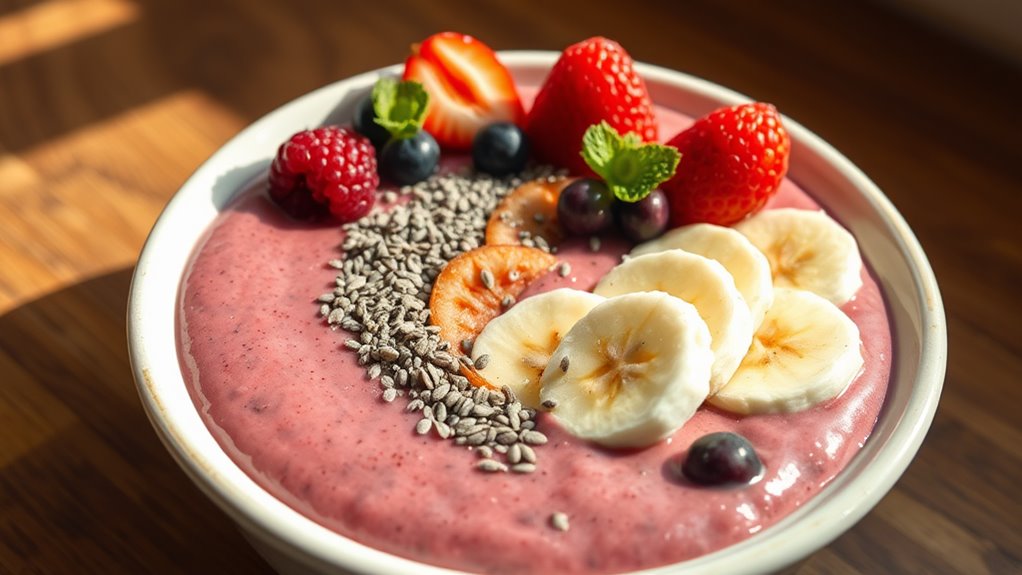
Unlock Smoothie Nutrition: Essential Ingredients for a Better Blend
In our fast-paced world, finding nourishing, convenient meals can feel like a constant battle. Enter the smoothie: a powerful, portable potion that can be a fantastic breakfast, a revitalizing post-gym refuel, or a satisfying snack. But not all smoothies are created equal. While store-bought options offer ease, they often come with hidden sugars, unhealthy fats, and a frustrating lack of transparency regarding ingredients. The good news? Learning how to make a smoothie at home is surprisingly simple, empowering you to craft blends that are not only delicious but also packed with personalized nutrition.
This comprehensive guide will demystify the art of homemade smoothies, walking you through the essential ingredients and smart techniques to ensure every sip is a step towards better health. Forget bland, watery concoctions; prepare to unlock vibrant flavors, creamy textures, and a significant nutritional punch right from your own kitchen.
Why Homemade Smoothies Are Your Best Bet
The allure of a pre-made smoothie is undeniable – grab, pay, and go. However, the benefits of preparing your own far outweigh the minimal extra effort. When you understand how to make a smoothie from scratch, you gain complete control over its contents, transforming it into a truly healthy ally. Here’s why going homemade is the superior choice:
- Ingredient Transparency: No more guessing games about what's lurking in your cup. You select every fruit, vegetable, and superfood, avoiding undesirable additives like excessive sugar, artificial flavors, or unnecessary fillers. This is especially crucial if you're managing allergies or dietary preferences, such as dairy-free living.
- Customized Nutrition: Are you seeking more protein for muscle recovery? Extra fiber for digestive health? Or perhaps a vitamin C boost to support immunity? Homemade smoothies allow you to tailor your blend to your specific nutritional needs and health goals, making it a truly functional food.
- Cost-Effectiveness: While the initial investment in a quality blender and stocked pantry might seem significant, making smoothies at home is far more economical in the long run than repeatedly buying expensive pre-made versions.
- Uncompromised Freshness: Store-bought smoothies can sit for days, losing valuable nutrients. Your homemade blend is consumed immediately after preparation, ensuring you get the maximum benefit from fresh ingredients.
- Dietary Flexibility: For those avoiding dairy, many commercial smoothies rely heavily on milk, yogurt, or whey for creaminess. Creating your own opens up a world of dairy-free smoothies that are just as, if not more, satisfying and often healthier.
The Core Components: Building Your Perfect Smoothie
Crafting an exceptional smoothie involves balancing a few key categories of ingredients. Think of it as a culinary symphony where each component plays a vital role in achieving harmony in flavor, texture, and nutrition.
1. The Liquid Base: Setting the Tone
The liquid you choose is the foundation of your smoothie, dictating its overall consistency and contributing to its flavor profile. It helps everything blend smoothly and can add a significant nutritional boost.
- Water: The simplest and most neutral option. Great for letting fruit and vegetable flavors shine, and excellent for hydration.
- Coconut Milk: For a touch of tropical richness and a creamy texture, unsweetened coconut milk is a fantastic choice. Always check the ingredient list to ensure it contains only coconut and water, avoiding added gums or sweeteners.
- Nut Milks (Almond, Cashew, Oat): These provide a subtle creaminess and often a nutty undertone. Opt for unsweetened varieties with minimal ingredients to avoid unnecessary sugars and additives. Cashew milk, for instance, often blends into an exceptionally creamy consistency.
- Herbal Tea or Green Tea: For an antioxidant boost and unique flavor dimension, cooled herbal or green tea can be an innovative base.
- Bone Broth Concentrate: A more savory, protein-rich option when diluted with water, offering gut-healing benefits. This is an adventurous choice but can be surprisingly good in certain blends, especially with a touch of ginger or turmeric.
2. Fruits & Vegetables: The Nutrient Powerhouses
This is where the bulk of your vitamins, minerals, and fiber come from. The right combination delivers flavor, natural sweetness, and a myriad of health benefits.
- Frozen Fruits: Your secret weapon for achieving that coveted thick, creamy texture without dairy. Frozen bananas (especially extra-ripe ones peeled and frozen), berries, mango chunks, and pineapple are staples. They eliminate the need for ice, which can dilute flavor. Frozen fruits also contain a higher concentration of certain vitamins as they are typically picked at their peak ripeness and flash-frozen.
- Fresh Fruits: Ideal for seasonal flavors and unique textures. Consider apples, pears, peaches, or grapes. Always prioritize whole fruits over fruit juices, as juices lack the beneficial fiber found in whole produce.
- Leafy Greens: Non-negotiable for a truly healthy smoothie. Spinach is a fantastic starting point as its mild flavor is easily masked by fruits. Kale, Swiss chard, or even romaine lettuce can also be incorporated. Adding greens is one of the easiest ways to sneak in an extra serving of vegetables. For best results, blend your greens with your liquid base first to ensure a super smooth consistency.
- Other Vegetables: Don't limit yourself to greens! Cooked and cooled sweet potato or pumpkin puree adds creaminess, fiber, and a lovely sweetness. Carrots and even a small piece of beet can offer unique nutritional profiles and vibrant colors.
3. Boosters & Thickening Agents: Achieving Creamy Perfection
These ingredients elevate your smoothie from a simple fruit blend to a powerhouse of nutrition and a wonderfully rich texture. For fantastic tips on perfecting your blend, check out our guide on Homemade Healthy Smoothies: Easy Recipes & Creamy Texture Hacks.
- Natural Thickeners (Dairy-Free): As mentioned, frozen bananas and avocado are champions for creamy texture. A quarter to half an avocado can make your smoothie incredibly smooth and rich, while also adding healthy fats. Cooked oats (raw or cooked), soaked chia seeds, or flax seeds can also absorb liquid and thicken your blend considerably.
- Protein Powerhouses:
- Protein Powders: A convenient way to boost satiety and muscle recovery. Options include whey (if dairy is tolerated), plant-based proteins (pea, rice, hemp), or collagen peptides for skin, hair, and joint health.
- Nut Butters: Peanut, almond, or cashew butters add healthy fats, protein, and a rich flavor. Look for varieties with minimal ingredients (just nuts, maybe salt).
- Seeds: Chia seeds, flax seeds, and hemp seeds are rich in omega-3 fatty acids, fiber, and protein. They also act as natural thickeners.
- Superfoods & Healthy Fats:
- Avocado: Beyond thickening, it provides monounsaturated fats vital for heart health and nutrient absorption.
- MCT Oil: A specialized fat derived from coconut oil, known for providing quick energy and supporting brain health.
- Spices: Turmeric (with a pinch of black pepper for absorption), ginger, and cinnamon offer anti-inflammatory properties and unique flavors.
- Cacao Powder: For a chocolatey flavor and a boost of antioxidants.
- Probiotics: Adding a capsule of probiotics can support gut health.
4. Flavor Enhancers & Sweeteners: Personalizing Your Blend
While fruits provide natural sweetness, sometimes you might want to adjust the flavor or add an extra dimension.
- Natural Sweeteners (Use Sparingly): A drizzle of local raw honey or pure maple syrup can enhance sweetness without relying on refined sugars. Dates are another excellent whole-food sweetener that also adds fiber.
- Extracts: A splash of vanilla extract, almond extract, or peppermint extract can transform the flavor profile.
- Fresh Herbs & Spices: Mint leaves offer a refreshing zing. A pinch of cinnamon or pumpkin pie spice can add warmth and complexity, especially with ingredients like banana, sweet potato, or pumpkin. Fresh ginger adds a zesty, anti-inflammatory kick.
Pro Tips for Smoothie Success
Mastering how to make a smoothie extends beyond just ingredients. A few practical tips can make your blending experience seamless and ensure consistently delicious results.
- Invest in a Good Blender: While you don't need the most expensive model, a blender with adequate power (1000 watts or more is ideal) will make quick work of frozen fruits and fibrous greens, ensuring a super smooth texture every time.
- Blending Order Matters: For the creamiest, lump-free smoothie, always add liquids first, followed by leafy greens. Blend these two until smooth. Then, add fruits (frozen first), protein powders, nuts, seeds, and any other boosters. This method helps the blades catch everything effectively.
- Pre-Portion Ingredients: Prepare smoothie packs by combining all dry ingredients (frozen fruit, greens, seeds, protein powder) into individual freezer bags. When you're ready to blend, just dump the contents into your blender, add your liquid, and blend!
- Adjust for Texture: If your smoothie is too thick, add more liquid (water, nut milk) gradually until desired consistency is reached. If it's too thin, add more frozen fruit, avocado, or a spoonful of chia seeds/oats.
- Think Beyond Breakfast: Smoothies are incredibly versatile. A savory vegetable smoothie can be a light lunch, or a protein-rich blend can be an ideal post-workout recovery drink.
Conclusion
Learning how to make a smoothie at home is more than just following a recipe; it's about embracing a versatile tool for enhancing your daily nutrition. By understanding the roles of different ingredients – from the liquid base to essential fruits, vegetables, and powerful boosters – you gain the confidence to create endless combinations tailored to your taste, dietary needs, and health goals. Say goodbye to unknown ingredients and hello to personalized, vibrant blends that fuel your body and delight your palate. So, stock your pantry, fire up your blender, and embark on your journey to unlock the full potential of smoothie nutrition!
